
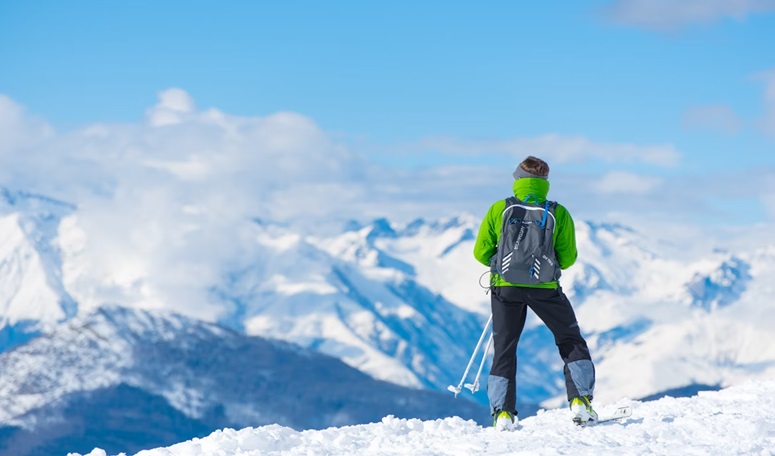

Anyone who’s spent more than a few hours on the slopes knows how quickly the weather can change. One moment, you’re squinting under glaring sunshine; the next, you’re carving through a whiteout with barely any visibility. That’s where good ski goggles make all the difference—not just for comfort, but for safety too.
Choosing the right pair of skiing goggles isn’t always straightforward, especially if you’re not skiing in perfect conditions all day long (and who is?). The trick is finding goggles that adapt, or at least perform well across a variety of light levels. Here’s what to look out for—and a few options that won’t let you down, whatever the mountain throws your way.
Why lens tint matters more than you think
The first thing to get your head around is lens tint. It’s not just about how cool your goggles look (though that’s always a bonus). The tint affects how much light reaches your eyes, and how clearly you can see the terrain.
For sunny days, you’ll want a darker tint—usually a grey, brown, or mirrored finish—to reduce glare and keep everything crisp. On flat-light or overcast days, lenses with a yellow, rose, or amber tint enhance contrast, helping you spot bumps and dips that might otherwise disappear into the snow.
If you only ski a couple of times a year, you might not fancy buying multiple pairs. That’s where photochromic lenses come in. These automatically adjust their tint based on how bright it is. Yes, they’re more expensive—but they’re incredibly useful for mixed conditions, especially if you want a single pair to take you from bluebird mornings to foggy afternoons.
Swappable lenses: fiddly but flexible
Some ski goggles come with interchangeable lenses. You’ll usually get two in the box—one for bright days, one for low light. It’s a great way to save space and weight if you’re travelling, and ideal if you’re picky about clarity.
Just be honest with yourself about how likely you are to change them mid-run. Taking off gloves, popping lenses in and out, and keeping them scratch-free can be a bit of a faff in freezing conditions. For convenience, a pair with photochromic lenses or a high-VLT (visible light transmission) all-rounder might suit you better.
Ventilation and anti-fog tech: don’t overlook it
Even the best lenses are useless if your goggles fog up every time you stop to catch your breath. Look for frames with solid ventilation—especially at the top and bottom—and make sure the goggles have an anti-fog coating.
Double-layer lenses are now standard and help a lot with insulation and fog prevention. Some higher-end models also have moisture-wicking foam around the frame and better airflow design. It might not sound very exciting, but you’ll appreciate it when your friends are blindly wiping at their lenses and you’re already halfway down the run.
Fit and compatibility: helmet matters
Before buying a pair, always check that your goggles work well with your helmet. A poor fit means gaps (cold wind on the forehead, anyone?), pressure points, and possible slipping. Most modern ski goggles are designed to be helmet-compatible, but some styles still work better with certain brands or shapes of helmet.
Also, think about your face shape. Oversized goggles with a spherical lens can offer a wider field of vision, but they’re not ideal for everyone. Smaller faces may prefer a more low-profile, cylindrical lens—still stylish, but less likely to feel overwhelming.
A few standout picks
There are plenty of brilliant ski goggles available these days, including options from performance-led brands known for their lens quality and innovation. While shopping, it’s worth checking out Oakley’s snow range. They’ve built a reputation for high-performance lenses, especially their Prizm tech, which boosts contrast and visibility across all conditions.
Another name to watch is Prada Linea Rossa. Known for blending sport with luxury, their ski goggles offer solid performance without sacrificing style—ideal if you like your gear to look as sharp as it performs.
And if you wear prescription lenses, don’t panic. Plenty of goggles these days are OTG (over the glasses) compatible.
Final thoughts before hitting the slopes
Ski goggles aren’t the most glamorous part of your kit, but they’re one of the most essential. A good pair will protect your eyes from glare, wind, and UV rays, while helping you read the terrain and stay safe—whether you’re cruising down wide-open pistes or navigating through a surprise snowstorm.
Whatever your style or budget, it’s worth investing in a pair that suits how you actually ski. If you’re heading out soon and need something reliable quickly, it’s also worth checking which models are in stock for next-day delivery—especially through reputable online retailers that carry a wide range of designer and sport-specific options for all kinds of winter conditions.
Happy skiing—and here’s hoping the weather behaves.
