
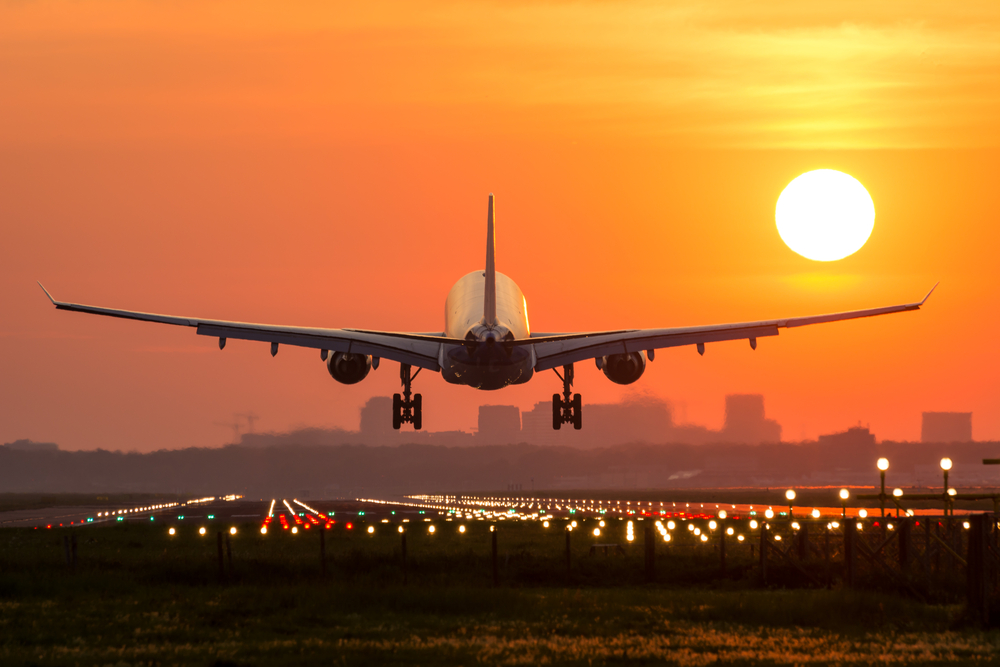

Introduction: The Dream of Defying Gravity
For as long as humans have tilted their heads skyward, the dream of flight has captured our imagination. From ancient myths of Icarus and Daedalus to da Vinci’s delicate sketches of flying machines, the sky has symbolized freedom, possibility, and a defiance of our earthbound nature. Today, flight is so commonplace that its wonder often slips beneath the hum of engines and the clink of plastic cups at 35,000 feet. Yet behind every commercial departure board and tiny airplane icon inching across a digital map lies a story of extraordinary innovation and an unbroken thread connecting us to that timeless dream: to soar.
A Brief History: From Gliders to Global Gateways
Flight, as we know it, is barely more than a century old. At the dawn of the 20th century, few would have wagered that powered human flight could become as routine as a daily commute. Yet the Wright brothers’ fragile Flyer took to the skies in 1903, staying aloft for just twelve seconds—an unassuming moment that changed everything.
By the 1920s and 30s, daring aviators like Amelia Earhart and Charles Lindbergh transformed flight into feats of courage and spectacle. The Second World War accelerated advancements in aircraft design, speed, and endurance, setting the stage for the golden age of commercial aviation. When the Boeing 707 made its debut in the late 1950s, it shrank continents and redefined travel forever.
Today, the world is stitched together by flight paths crisscrossing the globe like veins—vital channels carrying families, business, cultures, and ideas.
Why We Fly: More Than a Means to an End
For millions, flying is simply practical: the fastest way to move people and goods across vast distances. Yet even the most routine flight retains a spark of the extraordinary. Few other human experiences match the surreal sensation of lifting off, watching towns shrink to toy models, and seeing mountains give way to oceans from a vantage once reserved for birds and dreams.
Flight offers unique gifts:
-
Connection: It makes possible what would otherwise be improbable—breakfast in Paris, dinner in Tokyo.
-
Perspective: From a plane window, borders dissolve, and the planet’s beauty unfolds in silent sweeps of cloud and land.
-
Time Travel: Crossing time zones feels like slipping through folds in reality, a reminder that technology can bend the world to our will.
Inside the Modern Aircraft: A Floating Community
Step aboard any commercial jetliner and you enter a curious microcosm. In this narrow, pressurized tube hurtling through the stratosphere, strangers doze, chat, eat, dream—each in their own bubble yet bound together by shared velocity.
A typical flight experience blends:
-
Cabin Comfort: From no-frills seats to first-class suites with lie-flat beds and private cabins.
-
In-Flight Service: Meals and drinks that range from humble snacks to gourmet dining, depending on the airline and class.
-
Entertainment: Seatback screens offer endless films, music, and interactive maps that remind you just how far you’re flying.
-
Crew Expertise: Behind the scenes, pilots and flight attendants orchestrate safety and service with calm precision, often across demanding hours and multiple time zones.
The Economics of Flight: A Modern Marvel and a Challenge
While flying feels simple to the passenger, the machinery that sustains it is staggeringly complex. Airlines juggle razor-thin profit margins, fluctuating fuel prices, and unpredictable weather. Add to this the pressure of meeting growing demands for cheaper tickets and ever-higher service expectations, and one begins to appreciate the delicate balance that keeps the global fleet aloft.
Low-cost carriers have democratized air travel, allowing millions who once might never have boarded a plane to fly affordably. Yet with this accessibility comes trade-offs—cramped legroom, strict baggage rules, and stripped-back perks that remind us that the magic of flight often rides on a careful economy of scale.
Flight’s Environmental Reckoning
For all its marvels, modern aviation faces a critical reckoning. Jet engines consume vast quantities of fossil fuels, contributing to greenhouse gas emissions that impact our climate. As awareness grows, airlines and aircraft manufacturers are under pressure to innovate—balancing the world’s appetite for flight with the urgent need to decarbonize.
Key developments in greener aviation include:
-
Fuel Efficiency: New-generation planes like the Boeing 787 Dreamliner and Airbus A350 burn significantly less fuel per passenger.
-
Biofuels and SAF (Sustainable Aviation Fuel): Airlines are investing in alternative fuels that reduce carbon footprints.
-
Electric and Hybrid Aircraft: Startups and legacy manufacturers alike are testing electric short-haul planes, a promising frontier for regional travel.
-
Offset Programs: Many airlines now offer carbon offset schemes for passengers keen to balance the environmental cost of their journeys.
Flight in the Digital Age: How Technology Shapes the Skies
Modern aviation is more connected than ever. Mobile check-ins, digital boarding passes, real-time flight tracking, and biometric security lanes have made air travel faster and smoother. Inside the cockpit, advanced avionics guide pilots with breathtaking precision, automating tasks that once demanded intense human skill.
Passengers, too, have come to expect connectivity at altitude—Wi-Fi at 35,000 feet is no longer a novelty but a requirement for business travelers and digital nomads alike.
The Human Element: What Flight Teaches Us
Perhaps the true legacy of flight is not just technological but profoundly human. Boarding a plane is an act of trust—placing your life in the hands of engineers, pilots, air traffic controllers, and a hidden web of people whose coordinated efforts lift thousands of aircraft into the sky every day.
It also reminds us of our shared fragility and our shared possibilities. A passenger jet is a rare place where cultures brush shoulders, languages mingle, and lives intersect in fleeting yet meaningful ways.
Conclusion: Always a Little Bit of Magic
Flight is no longer the privilege of kings and pioneers; it is the hum of engines overhead, the contrail scribbled across a blue sky, the tired but hopeful faces at gate A14 waiting to reunite with loved ones or to chase a dream in a distant land.
Even as it becomes routine, flight never fully loses its magic. That brief hush as the wheels leave the runway—that moment when gravity yields and the earth falls away—reminds us that humanity’s boldest dreams sometimes really do take wing.
So next time you fasten your seatbelt and lean your head against the window, remember: you are not merely crossing miles. You are fulfilling an ancient wish—to lift your eyes skyward and fly.

Related posts
Recent Posts
- Who Is Club Stella at La Solaya Khao Lak Actually For September 28, 2026
- Enjoy Direct Beach Access at a Khao Lak Beachfront Hotel September 21, 2026
- Romantic Honeymoon Villas in Khao Lak for an Unforgettable Escape September 21, 2026
- Pilates Reformer After Long-Haul Travel: Rebuilding Hip and Trunk Control Before Intensity August 29, 2026
- Where Trampoline Fitness Fits Into a Singapore Stay When Hotel Workouts Feel Repetitive July 29, 2026
- How Singapore Gyms Fit Into Active Urban Holidays July 26, 2026
- How to Find the Best Flight Deals for Any Destination July 25, 2026