
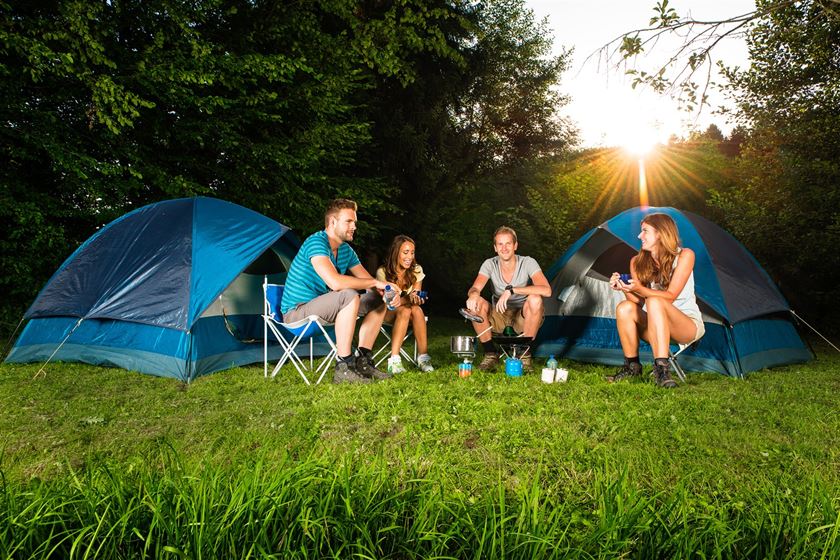

Modern daily life operates at an intense, demanding pace. Hyper-connectivity, constant digital notifications, dense urban environments, and demanding professional schedules consume cognitive energy, leaving little room for quiet reflection. In response to this continuous stimulation, millions of individuals turn to the outdoors as a restorative escape. While camping was once viewed primarily as a seasonal recreational activity or a low-cost vacation option, it has evolved into a transformative lifestyle practice. Spending extended time in natural environments creates a fundamental shift in how people view their time, health, personal relationships, and material possessions.
Stepping away from modern conveniences forces a physical and mental reset. By stripping daily routines down to basic human needs—preparing food, securing shelter, staying warm, and navigating terrain—camping reshapes core personal values. This immersion recalibrates lifestyle priorities, creating lasting changes in daily behavior long after the tent is packed away.
Realigning Value Systems: From Material Consumption to Experiential Wealth
One of the most immediate effects of camping is a reevaluation of material culture. In modern urban societies, personal success is frequently measured by consumer accumulation, spatial living footprints, and status symbols. Camping disrupts this dynamic by demonstrating how little physical property is actually required to feel comfortable, secure, and content.
Minimalist Efficiency and Practical Living
Packing for a backcountry trek or weekend camping trip requires strict spatial discipline. Everything needed for survival and comfort must fit inside a backpack or vehicle trunk. This exercise highlights the functional distinction between genuine physical needs and artificial consumer desires.
Living out of a tent teaches individuals the value of utility, durability, and resourcefulness over luxury. Over time, this minimalist awareness transfers to daily domestic life. Frequent campers often adopt simpler living habits, declutter their homes, reduce impulse purchases, and prioritize functional utility over superficial consumer trends.
Prioritizing Experiences Over Possessions
Camping shifts the perception of personal fulfillment away from tangible goods and toward memorable experiences. The satisfaction gained from watching a sunset from a mountain ridge, cooking over an open fire, or navigating a challenging trail creates deep psychological resonance.
This experiential focus alters long-term spending patterns. Individuals who spend regular time outdoors tend to reallocate their financial resources, choosing to invest in travel, personal skill development, outdoor gear, and shared memories rather than physical consumer products.
Cognitive Recalibration and Digital Detoxification
Continuous exposure to digital screens, social media streams, and push notifications induces mental fatigue, shortens attention spans, and elevates baseline stress levels. Outdoor immersion provides a powerful counter-mechanism to modern digital overload.
Restoring Attention and Mental Clarity
Exposure to natural landscapes allows the brain to recover from the intense focus required by daily digital work. Psychological research on Attention Restoration Theory demonstrates that natural settings engage effortless, passive attention.
Observing shifting forest canopies, flowing water, and expansive sky views allows the prefrontal cortex to rest. Campers frequently report experiencing enhanced mental clarity, improved problem-solving capabilities, and renewed creative thinking after spending just a few days outdoors.
Cultivating Mindful Presence and Patience
Nature operates on organic, unhurried timeframes. Weather shifts gradually, firewood takes time to gather, and meals require patient preparation over portable stoves or campfire coals. Camping breaks the expectation of instant gratification built into modern digital interfaces. It trains individuals to embrace natural rhythms, practice patience, and remain present in their immediate physical surroundings, cultivating a calm mindset that helps manage everyday domestic stress.
Re-establishing Circadian Rhythms and Physical Wellness
Modern indoor lifestyles keep individuals under artificial fluorescent lighting late into the evening, disrupting natural sleep cycles and hormonal balance. Camping re-aligns human biology with natural solar cycles.
-
Circadian Rhythm Synchronization: Camping exposes the human body to natural morning sunlight and ambient evening darkness. This exposure regulates melatonin production, helping reset the biological clock, resolve sleep onset issues, and deepen overall sleep quality.
-
Increased Physical Activity: Outdoor living naturally incorporates physical movement. Setting up camp, hiking trails, gathering firewood, and navigating uneven terrain engage muscle groups and increase daily caloric expenditure without the artificial environment of a gym.
-
Stress Hormone Reduction: Immersing oneself in forest settings lowers baseline cortisol levels, reduces blood pressure, and calms the autonomic nervous system, promoting long-term cardiovascular health.
Deepening Interpersonal Relationships and Community Bonds
Digital communication tools allow people to stay connected constantly, yet many report feeling increasingly isolated. Camping removes digital distractions, creating an ideal environment for authentic human connection.
Uninterrupted Social Engagement
Around a campfire, there are no screen distractions, television monitors, or work interruptions. Group members engage in face-to-face conversation, shared storytelling, and active listening. This focused presence allows family members, romantic partners, and friends to process emotions, resolve lingering conflicts, and build deeper empathy.
Cooperative Problem Solving and Shared Responsibilities
Outdoor living relies on team coordination. Establishing a functional campsite requires dividing responsibilities, such as pitching tents, fetching water, preparing meals, and organizing gear. Working together to accomplish basic survival tasks fosters trust, strengthens communication channels, and builds mutual reliance among group members.
Fostering Environmental Stewardship and Ecological Awareness
It is difficult to value or protect what one does not directly experience. Living outdoors builds a personal connection with natural ecosystems, transforming abstract environmental concepts into lived realities.
-
Leave No Trace Ethics: Practicing responsible outdoor recreation teaches campers to minimize their footprint by packing out trash, respecting wildlife, and preserving natural water sources.
-
Resource Consciousness: Camping makes resource limits obvious. Carrying freshwater or monitoring battery power creates a deep awareness of resource conservation, leading to reduced water and energy waste at home.
-
Active Advocacy: Direct exposure to wild places fosters a desire to protect them, turning casual campers into active supporters of land conservation, national park preservation, and environmental policy reform.
Practical Steps to Integrate Camping Mindset into Daily Life
The personal insights gained while camping do not need to remain confined to the wilderness. You can integrate core outdoor principles into your daily urban or suburban routine:
-
Establish Daily Tech-Free Windows: Set aside one hour every evening to disconnect entirely from smartphones, tablets, and computers, recreating the mental space experienced around a campfire.
-
Simplify Household Environments: Apply the minimalist efficiency of camping to your domestic environment by auditing physical possessions, eliminating unnecessary clutter, and prioritizing functional quality.
-
Incorporate Daily Outdoor Time: Spend time in local parks, botanical gardens, or walking trails daily to maintain a continuous connection with natural sunlight and open space.
-
Practice Mindful Resource Consumption: Track household water usage, energy consumption, and food waste conscientiously, treating household utilities with the same care reserved for backcountry supplies.
Frequently Asked Questions
How frequently does someone need to go camping to experience a lasting shift in lifestyle priorities?
Research suggests that spending as little as two to three days outdoors every few months can produce measurable improvements in mental clarity, stress reduction, and sleep quality. However, integrating shorter micro-adventures, such as regular weekend camping trips once a month, helps maintain a steady connection to nature and reinforces healthy lifestyle habits over the long term.
Can car camping provide the same psychological benefits as primitive or backcountry backpacking?
Yes, car camping provides substantial psychological and physical benefits. While backcountry backpacking offers deeper isolation, car camping still effectively removes individuals from daily digital routines, exposes them to natural light cycles, encourages physical activity, and fosters strong social bonds around the campsite, making it an accessible option for people of all fitness levels.
How does camping help families teach children practical life skills?
Camping offers children hands-on opportunities to develop self-reliance, spatial awareness, and practical problem-solving skills. Children learn to pitch tents, build fires safely, navigate trails, adapt to changing weather, and manage without digital entertainment. These experiences build emotional resilience, encourage self-confidence, and foster a healthy curiosity about the natural world.
What is the best way for beginners to transition into camping without feeling overwhelmed by gear costs?
Beginners should avoid purchasing expensive, specialized gear immediately. Start by renting equipment from local outdoor retailers, borrowing basic items from experienced friends, or choosing established campgrounds with basic amenities like potable water and restrooms. Focusing on simple, short weekend trips keeps initial logistics manageable and allows beginners to identify their actual gear needs over time.
How does outdoor exposure improve personal resilience when dealing with professional workplace stress?
Camping exposes individuals to manageable physical challenges, such as unexpected rain, temperature drops, steep trail climbs, or equipment fixes. Successfully navigating these physical discomforts builds mental adaptability and emotional resilience. When returning to the office, individuals often find that corporate stressors feel more manageable when compared to real-world problem-solving in the wild.
What are micro-adventures, and how do they fit into a busy professional schedule?
Micro-adventures are short, simple, low-cost outdoor excursions designed to fit easily into a standard workweek schedule. Examples include an overnight mid-week camping trip at a local state park, an early morning trail hike before office hours, or an evening outdoor meal. Micro-adventures provide a quick mental reset without requiring extended vacation time or complex travel logistics.
