
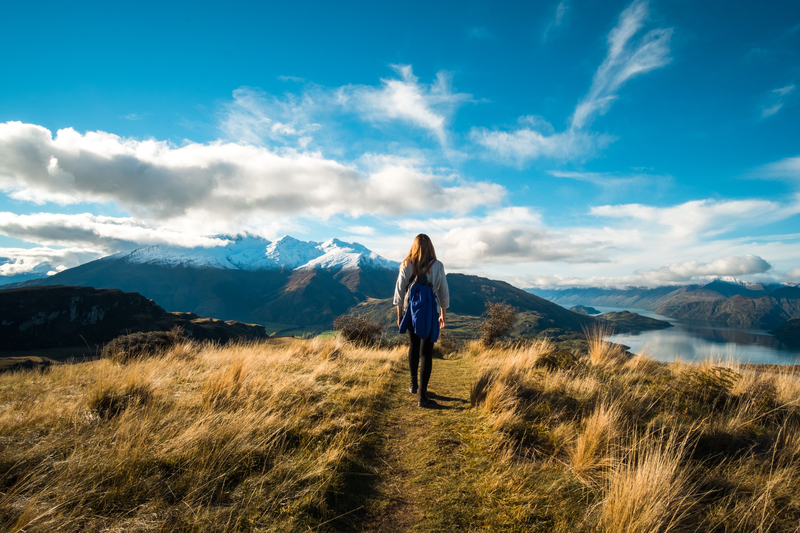

Embarking on a solo adventure travel journey is one of the most rewarding experiences a traveler can pursue. Stepping away from the comfort of group itineraries or familiar companions forces you to rely entirely on your own intuition, decision-making, and resourcefulness. It grants absolute freedom over your daily schedule, allowing you to linger at a mountain summit, change directions on a whim, or immerse yourself deeply in local cultures without compromise.
However, venturing into remote wilderness areas, navigating unfamiliar foreign cities, or undertaking demanding physical expeditions alone introduces unique risks. Without a partner to double-check routes, split logistics, or assist during emergencies, self-reliance becomes paramount. Achieving a balance between thrilling exploration and sensible risk management is the key to executing a journey that is both safe and unforgettable. This guide outlines essential strategies to prepare, navigate, and thrive as a solo adventure traveler.
Thorough Pre-Departure Research and Logistics Planning
Spontaneity is one of the greatest joys of solo travel, but thorough preparation provides the safety net that makes spontaneity possible. Comprehensive research before leaving home reduces unexpected hazards and gives you the confidence to adapt when conditions change.
Understanding Terrain, Climate, and Local Conditions
Thoroughly analyze your target destination well beyond basic tourist overviews. Research seasonal weather patterns, elevation changes, regional wildlife hazards, and trail conditions. If your adventure involves wilderness trekking, study topographic maps, identify water sources, and determine alternate escape routes in case of severe weather or physical injury.
Cultural Norms and Legal Frameworks
When traveling solo internationally, respecting local customs is both a matter of courtesy and safety. Research regional dress codes, cultural etiquette, religious traditions, and local laws. Understanding local expectations prevents unintended offense and helps you blend in, reducing unwanted attention from scammers or bad actors who target oblivious tourists.
Establishing Digital and Physical Paper Trails
Never venture into a solo adventure without leaving a clear itinerary with trusted contacts at home.
-
Detailed Itinerary Sharing: Document your flight numbers, accommodation addresses, planned hiking routes, expected check-in times, and local contact numbers. Leave this document with at least two reliable friends or family members.
-
Emergency Protocol Deadlines: Establish a firm policy with your emergency contacts regarding when they should contact local authorities or search-and-rescue teams if you fail to check in by a designated time.
-
Digital Document Backups: Store encrypted digital scans of your passport, visas, travel insurance policies, vaccination records, and emergency phone numbers in a secure cloud folder accessible offline.
Navigating Safety, Situational Awareness, and Intuition
Personal safety on a solo expedition depends primarily on situational awareness and trusting your internal instincts. Developing a proactive safety mindset helps prevent dangerous situations before they materialize.
Blending In and Maintaining Projection
Targeting often happens when a traveler appears lost, disoriented, or overwhelmed. Walk with purpose and project confidence, even if you are unsure of your exact location. Avoid standing on busy street corners staring at map applications on your phone; step inside a cafe or quiet storefront to reorient yourself discreetly. Keep high-value items, expensive camera gear, and flashy jewelry out of sight.
Trusting Instincts and Setting Boundaries
Your subconscious often processes subtle warning signs before your conscious mind registers them. If a street, accommodation, taxi driver, or fellow traveler triggers discomfort or suspicion, remove yourself from the situation immediately without worrying about appearing polite. Practice firm, polite boundary-setting when dealing with overly persistent strangers or aggressive vendors.
Securing Valuables and Financial Redundancies
Losing access to money or identification while traveling alone can turn an exciting trip into a stressful crisis.
-
Financial Diversification: Never keep all your cash, debit cards, and credit cards in one place. Divide them between a primary wallet, a hidden body belt, and a secure pocket inside your main luggage.
-
Emergency Reserve Cash: Stash a small reserve of emergency cash in a widely accepted currency, such as US dollars, separate from your daily spending funds.
-
Physical Lock Equipment: Carry high-quality TSA-approved padlocks and lightweight steel cable locks to secure your backpack zippers or lock your luggage to stationary fixtures in hostel dorms or train storage racks.
Essential Health, Medical, and Navigation Gear
When traveling alone, your gear acts as your primary support system. Investing in reliable, high-quality equipment ensures you can handle technical challenges, navigation demands, and medical minor emergencies independently.
Comprehensive Travel and Medical Insurance
Standard medical insurance rarely covers specialized medical evacuations from remote trailheads or international air ambulance transports. Secure comprehensive travel insurance that explicitly includes coverage for your specific adventure activities, such as high-altitude trekking, scuba diving, or sea kayaking. Verify that the policy includes emergency medical repatriation, trip cancellation coverage, and gear loss protection.
Navigation and Emergency Communication Tools
Relying solely on a smartphone for navigation in remote environments is a dangerous mistake. Cold temperatures, water exposure, and battery drain can render a phone useless when you need it most.
-
Satellite Communicators: Devices utilizing satellite networks allow you to send location updates, message contacts, and trigger a global SOS beacon for search and rescue teams even when cellular service is completely unavailable.
-
Paper Maps and Magnetic Compasses: Carry waterproof physical maps and an analog compass for any backcountry excursion, and know how to use them proficiently.
-
External Power Reserves: Pack heavy-duty, temperature-resistant portable power banks and solar charging panels to keep essential electronics powered in the field.
Customized First-Aid and Personal Pharmacy
Build a compact, lightweight first-aid kit tailored to your destination and physical needs. Include basic trauma supplies like sterile gauze, medical tape, disinfectant wipes, blister treatments, and elastic bandages. Supplement these with broad-spectrum antibiotics prescribed by a travel clinic, rehydration salts, anti-diarrheal medications, pain relievers, antihistamines, and a generous supply of any personal prescription medications.
Overcoming Loneliness and Fostering Connection
While solitude is a primary draw for solo adventurers, prolonged periods of isolation can occasionally lead to feelings of loneliness or mental fatigue. Balancing solo reflection with intentional social interaction enriches the journey.
-
Choose Social Accommodation Basecamps: Stay in small, locally owned guesthouses, eco-lodges, or reputable hostels that offer communal dining spaces or organized day tours. These environments make it easy to meet fellow travelers and share trip advice naturally.
-
Engage Local Guides and Community Projects: Hiring local guides for technical legs of a journey supports the regional economy, enhances safety, and provides deep cultural insights that you might miss on your own.
-
Join Group Day Activities: Interlock solo exploration with occasional group day activities, such as cooking classes, guided wildlife walks, or localized volunteer projects, to refresh your social energy without giving up your overall independence.
Frequently Asked Questions
Is solo adventure travel safe for first-time solo travelers?
Yes, solo adventure travel can be completely safe for beginners if approached with proper planning and realistic self-assessment. First-time solo travelers should choose well-established destinations with developed tourism infrastructure, reliable communication networks, and clear trail systems before attempting self-supported expeditions in extreme or highly remote environments.
How do solo travelers handle dining alone without feeling awkward?
Dining alone is a standard part of solo travel that becomes comfortable quickly with practice. Choosing cafes with counter seating, eating at outdoor sidewalk tables, or bringing a journal or book can make solo dining feel natural. Focusing on the food, watching the surrounding street life, or chatting briefly with service staff turns meals into relaxing personal moments.
What should a solo traveler do if they get injured in the backcountry?
If you are injured in the backcountry while alone, remain calm and assess the situation objectively. Stop immediately to administer basic first aid to stabilize the injury. If you can walk safely, slowly backtrack toward the nearest established trail or road. If you cannot move, deploy your satellite communicator or emergency locator beacon, put on warm, waterproof clothing layers, stay in a visible area near your last logged location, and conserve food and water while waiting for assistance.
How do you manage language barriers when traveling alone in remote regions?
Managing language barriers successfully involves combining offline digital tools, physical references, and non-verbal communication. Download offline language packages on translation apps before heading into areas without cellular coverage. Carrying a small physical phrasebook or a visual point-and-say translation card helps convey urgent needs. Paitence, friendly hand gestures, clear body language, and a calm demeanor solve most communication challenges.
How can solo travelers prevent burnout and travel fatigue on longer trips?
Travel burnout occurs when constant decision-making, changing environments, and physical exertion overwhelm your mental reserves. Prevent fatigue by building dedicated rest days into your itinerary where you do not travel, sightsee, or hike. Staying multiple nights in one comfortable location, maintaining regular sleep habits, eating nutritious meals, and staying hydrated helps sustain your physical energy and enthusiasm throughout extended journeys.
How do you secure your gear when using public transportation as a solo traveler?
Protecting gear on public transportation requires continuous physical awareness. Keep your primary light daypack containing passports, money, camera gear, and electronics on your lap or between your feet rather than in overhead racks. On overnight trains or long-haul buses, secure main luggage pieces to metal frames using lightweight cable locks, and sleep with your arms looped through your small daypack straps to prevent theft while resting.
What is the best way to handle accommodation bookings as a solo traveler?
The best strategy is to book your initial two or three nights of accommodation in advance before arriving at a new destination. Having an established landing point eliminates stress after long transit days. For the remainder of your trip, maintain flexibility by booking subsequent stays a few days in advance online, allowing you to alter your route based on local recommendations, weather conditions, or personal preference.
