
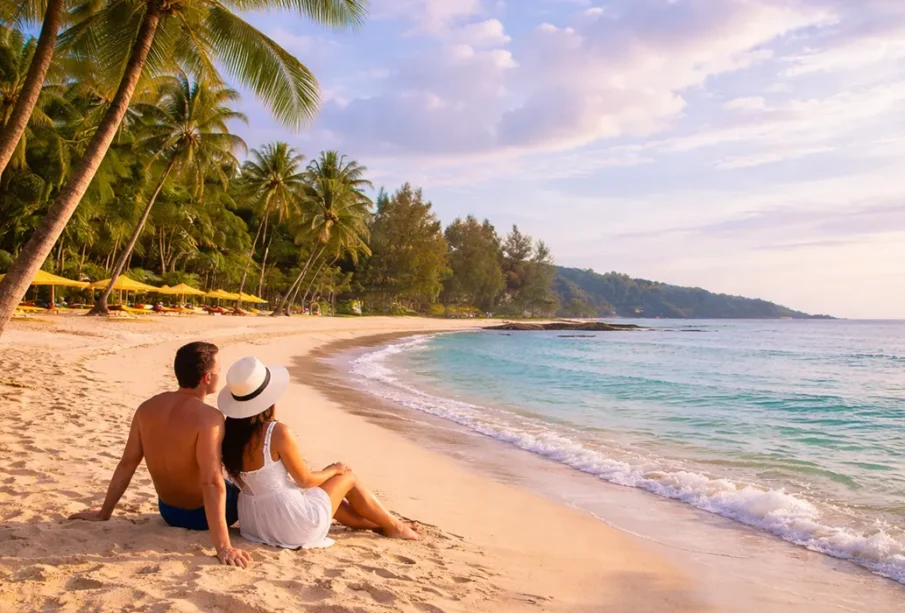

Unwinding on a coastal shoreline remains one of the most effective ways to reset a weary mind and body. The rhythmic sound of ocean waves, warm tropical air, and soft sand underfoot create a natural setting for deep relaxation. However, not all beach destinations offer the same tranquil atmosphere. Popular coastal hot spots frequently feature overcrowded shorelines, noisy beachfront bars, and commercialized strips that undermine the purpose of a peaceful getaway.
Finding a true coastal haven requires seeking out locations where natural beauty, quiet surroundings, and unhurried lifestyles take center stage. Whether you prefer secluded island coves, pristine powder-white sands, or dramatic volcanic coastlines, choosing the right environment makes all the difference. This guide explores premier beach destinations around the globe designed specifically for an unhurried, serene escape.
Grace Bay, Turks and Caicos: Pure Tranquility in the Caribbean
Situated on the island of Providenciales, Grace Bay Beach regularly earns recognition as one of the most beautiful shorelines in the world. Its signature feature is a expansive stretch of fine white sand bordered by exceptionally calm, turquoise waters.
The calm ocean conditions are due to a massive barrier reef running parallel to the shore roughly one mile out. This natural barrier prevents large swell waves from reaching the beach, creating a peaceful water surface that resembles a giant natural swimming pool.
-
Tranquil Ambiance: Unlike busier Caribbean destinations, Grace Bay enforces strict coastal development limits. You will not find jet-ski rentals buzzing along the shore or loud beachfront commercial venues.
-
Luxury Wellness Resorts: The shoreline is lined with low-density luxury resorts that focus on wellness, offering open-air spa treatments, beachfront yoga sessions, and private lounge areas.
-
Exceptional Swimming: The shallow, crystal-clear water allows visitors to float effortlessly for hours in relative solitude.
Anse Source d’Argent, Seychelles: Granite Sculptures and Coral Havens
Located on La Digue Island in the Seychelles archipelago, Anse Source d’Argent offers a visual environment unlike anywhere else on Earth. The beach is framed by massive, smooth granite boulders carved by wind and sea over millions of years, creating private sandy nooks and hidden coves along the coastline.
The island of La Digue maintains a slow, traditional pace of life. Bicycles and traditional ox carts serve as the primary modes of transportation, keeping motorized vehicle noise to a minimum.
Visitors reach the beach by winding through a historic vanilla plantation, setting a peaceful tone before stepping onto the sand. The offshore coral reef creates a shallow lagoon ideal for wading, snorkeling, and observing marine life in tranquil, clear water.
Aitutaki, Cook Islands: Unplugged Pacific Paradise
For travelers seeking absolute distance from modern urban life, Aitutaki in the Cook Islands represents a serene South Pacific sanctuary. Located hundreds of miles from major continental landmasses, this small island surrounds one of the most magnificent coral lagoons on the planet.
Aitutaki is purposefully quiet. The island lacks mega-resorts, chain stores, and high-rise hotel structures. Accommodations consist primarily of intimate beachfront bungalows and eco-friendly villas hidden beneath coconut palms.
-
The Central Lagoon: A short boat ride across the lagoon leads to isolated sandbars like One Foot Island, where you can walk along pristine, empty stretches of sand surrounded by shallow blue water.
-
Warm Polynesian Hospitality: Local island communities prioritize authentic cultural warmth, making visitors feel instantly at home.
-
Uninterrupted Solitude: Because flight capacities to the Cook Islands are intentionally regulated, the beaches remain blissfully uncrowded throughout the year.
Shoal Bay East, Anguilla: Laid-Back Elegance and Bright Sands
Anguilla, a small island territory in the Eastern Caribbean, caters specifically to travelers who prefer quiet elegance over bustling nightlife. Shoal Bay East stands out as the crown jewel of the island, offering two miles of bright white sand with subtle pink undertones created by crushed coral fragments.
The water at Shoal Bay East transitions from pale mint green near the shore to deep cobalt blue further out. The beach is lined with relaxed seafood shacks and small boutique hotels where soft reggae music and fresh grilled lobster set the tone.
The soft sand provides ideal conditions for long, reflective morning walks, while gentle offshore trade winds keep ambient air temperatures comfortable throughout the afternoon.
Pink Sands Beach, Harbour Island, Bahamas: Pastel Shorelines and Slow Living
Stretching along three miles of the eastern Atlantic coast of Harbour Island, Pink Sands Beach is famous for its pale pink sand. The unique coloration comes from microscopic coral organisms known as foraminifera, whose reddish-pink shells mix naturally with pure white calcium carbonate sands.
Harbour Island operates at a relaxed pace. Visitors travel the narrow, flower-lined streets of historic Dunmore Town primarily using electric golf carts.
Because the beach faces east into the Atlantic Ocean, a protective barrier reef absorbs the force of ocean swells, keeping the shore calm and safe for swimming. The wide beach footprint ensures that visitors can easily find an isolated stretch of sand to lay out a towel, read a book, and enjoy the soothing sound of gentle waves.
Koh Lanta, Thailand: Unhurried Coastal Serenity in Asia
While many islands in Thailand cater to energetic party crowds and heavy backpacking traffic, Koh Lanta in the Andaman Sea remains a peaceful, family-friendly haven. Located in the Krabi Province, this long, narrow island features a series of west-facing beaches, each quieter than the last as you travel south toward the national park tip.
Beaches like Kantiang Bay and Long Beach offer miles of golden sand backed by lush rainforest hills. The water is warm and calm during the dry season, making it ideal for swimming and stand-up paddleboarding.
In the evenings, low-key wooden beach huts set out cushions and lanterns directly on the sand, allowing guests to watch vivid sunsets while enjoying fresh seafood and traditional Thai iced teas in a completely relaxed environment.
Strategic Guidelines for Planning a Relaxing Beach Getaway
Achieving maximum relaxation on a beach vacation requires planning beyond simply booking a hotel room. Small operational choices can dramatically impact the quality of your stay.
-
Travel During Shoulder Seasons: Book your trip during the shoulder months—the period right before or after peak tourist season. You will experience pleasant weather, significantly smaller crowds, lower accommodation rates, and better service.
-
Choose Secluded Accommodations: Select boutique hotels, private villas, or small eco-lodges located away from main cruise ship ports or high-density tourist hubs.
-
Prioritize Direct Beach Access: Book properties that sit directly on the sand to eliminate the daily stress of driving, finding parking, or hauling heavy beach gear back and forth.
-
Pack Light and Comfortable: Bring breathable natural fabrics, quality sun protection, waterproof footwear, and a good book to minimize physical clutter and maximize daily comfort.
Frequently Asked Questions
What is the best time of year to visit the Caribbean for a quiet beach vacation?
The optimal time to visit the Caribbean for a quiet escape is during the shoulder season, specifically between late April and May, or during late November before the holiday rush. During these windows, the winter crowds have cleared out, weather conditions remain warm and clear, and hotel prices are more reasonable compared to peak winter rates.
How do travelers avoid crowds when visiting popular tropical islands?
To avoid crowds, stay in boutique accommodations situated on the quieter, less commercialized sides of an island, away from major cruise ship ports and large resorts. Additionally, visit popular beaches during early morning or late afternoon hours when daytime tour groups have departed, or rent a private boat to explore secluded coves accessible only by sea.
What are the main advantages of staying at a small boutique hotel versus an all-inclusive mega-resort?
Small boutique hotels offer personalized service, quiet atmospheres, and authentic connections to local culture and surroundings. Unlike large all-inclusive resorts, which often feature crowded dining halls, organized poolside noise, and fighting for beach chairs, boutique properties limit guest capacity to ensure a calm, relaxed footprint with zero visual clutter.
How do reef-safe sunscreens protect fragile marine environments along beaches?
Standard sunscreens often contain chemical compounds like oxybenzone and octinoxate, which wash off swimmer skin and contribute to coral bleaching, DNA damage in marine life, and reef degradation. Reef-safe sunscreens utilize mineral-based active ingredients like non-nano zinc oxide or titanium dioxide, which form a physical barrier on the skin and do not harm delicate coral reef ecosystems.
Are remote island beaches suitable for travelers with mobility limitations?
Many remote island beaches can pose mobility challenges due to soft sand, lack of paved walkways, and limited accessibility infrastructure. However, an increasing number of eco-resorts and accessible beach destinations now offer wooden boardwalks extending to the water line, specialized beach wheelchairs with wide pneumatic tires, and step-free beachfront bungalow access. It is best to contact properties directly to verify specific accessibility features.
How can travelers protect electronic devices from salt, heat, and sand damage at the beach?
Protect electronic devices by storing them in sealed, waterproof pouches or dry bags when not in use. Keep phones and tablets out of direct sunlight by placing them inside a beach bag or under a shade umbrella to prevent battery overheating. If sand gets onto your device, blow it away using compressed air or wipe it gently with a soft microfiber cloth rather than rubbing it against the glass.
What essential safety precautions should swimmers keep in mind at un-patrolled remote beaches?
When swimming at remote beaches without lifeguard supervision, always check local tide charts and inquire with locals about rip currents or sudden drop-offs before entering the water. Never swim alone, stay within a comfortable depth, avoid swimming near rocky headlands where wave surges occur, and pay close attention to changing weather conditions or strong offshore winds.
