
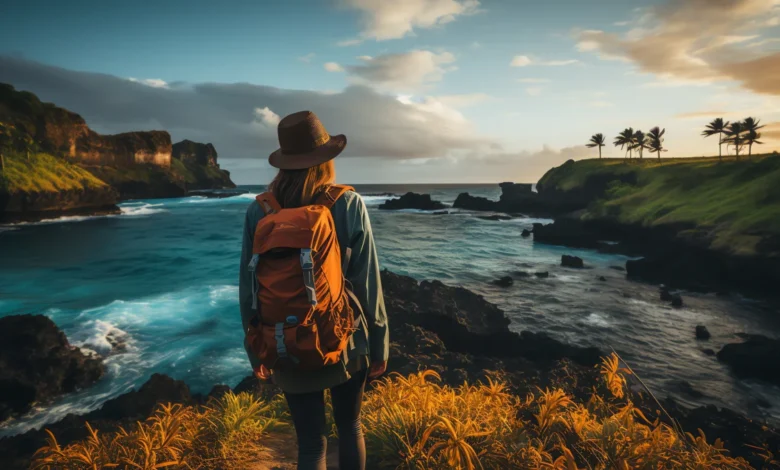

As popular global landmarks face unprecedented levels of overtourism, adventurous travelers are increasingly seeking destinations that offer authentic cultural immersion, untamed wilderness, and a sense of genuine discovery. Mass tourism often transforms iconic sights into crowded, hyper-commercialized corridors. In contrast, venturing off the beaten path allows travelers to engage deeply with local traditions, tread lightly on fragile ecosystems, and test their personal adaptability in raw environments.
Exploring lesser-known corners of the world requires meticulous preparation, heightened cultural awareness, and a willingness to step outside comfort zones. However, the reward is an unparalleled sense of solitude and connection with nature. From high-altitude mountain valleys to surreal desert coastlines, the following destinations provide extraordinary settings for travelers looking for truly unique adventures.
Svaneti, Georgia: Alpine Trekking Among Medieval Towers
Perched high in the Greater Caucasus mountains of northwestern Georgia, Svaneti is a land defined by dramatic glaciers, alpine meadows, and centuries-old defensive architecture. Isolated from much of the surrounding world for centuries due to its formidable terrain, Svaneti retained a distinct dialect, unique oral traditions, and an iconic landscape punctuated by stone defensive towers known as koshkebi.
Dating back between the 9th and 12th centuries, these medieval towers were constructed by Svan families to protect against natural hazards, feuds, and foreign invaders. Today, the village of Ushguli—one of the highest continuously inhabited settlements in Europe—stands as a UNESCO World Heritage site where these ancient structures dominate the skyline against the backdrop of Mount Shkhara.
For outdoor enthusiasts, Svaneti offers world-class trekking along multi-day routes like the trail from Mestia to Ushguli, as well as sections of the expanding Transcaucasian Trail. Hikers traverse high mountain passes, cross glacial rivers, and pass through remote hamlets where hospitality remains a sacred cultural value. Visiting Svaneti provides an opportunity to experience an ancient mountain culture that has successfully preserved its heritage amid a rapidly modernizing world.
The Turkestan and Tian Shan Ranges, Kyrgyzstan: Nomadic Traditions and Alpine Wilderness
Central Asia remains one of the most underrated frontiers for adventure travel, with Kyrgyzstan leading the way for high-altitude exploration. Dominated by the soaring Tian Shan and Pamir-Alay mountain ranges, Kyrgyzstan offers vast, open landscapes that have nurtured a nomadic equestrian culture for millennia.
Unlike destinations with rigid tourism infrastructure, Kyrgyzstan offers a decentralized, community-based tourism network that allows visitors to trek between remote mountain pastures, known locally as jailoos. Around Song-Kol Lake, an alpine body of water situated at over 9,000 feet above sea level, travelers can sleep in traditional felt yurts, learn how shepherd families process mare’s milk into kumis, and travel across vast grasslands on horseback.
For technical trekkers, the Turkestan Range in the southwest—often referred to as the Asian Patagonia—features sheer granite towers, pristine glacial lakes, and isolated valleys like Ak-Suu. Camping beneath giant rock faces without another trekking group in sight provides a raw, wilderness experience that is increasingly difficult to find in more commercialized alpine regions.
The Socotra Archipelago, Yemen: Endemic Biodiversity and Alien Landscapes
Situated in the Indian Ocean off the Horn of Africa, the Socotra Archipelago is one of the most geographically isolated landmasses of non-continental origin on Earth. This extreme isolation has produced a botanical landscape so strange that Socotra is frequently described as the most alien-looking place on the planet.
Nearly a third of Socotra’s plant life is endemic, meaning it exists nowhere else on Earth. The defining symbol of the island is the Dragon’s Blood Tree, an umbrella-shaped tree with dense, upturned branches that secretes a thick red resin historically used in medicine, dyes, and alchemy. Other surreal flora include the bulbous Cucumber Tree and various species of desert roses that cling directly to bare limestone cliffs.
Exploring Socotra involves expedition-style travel. Visitors camp on white sand beaches, hike through deep canyons like the Dixam Plateau, and swim in natural freshwater pools beneath towering sand dunes. The surrounding waters host vibrant coral reefs and marine life, making it a pristine site for diving and snorkeling. Due to its unique geopolitical situation and delicate ecology, visiting Socotra demands small-group eco-expedition planning that prioritizes environmental preservation and respects local community structures.
Lençóis Maranhenses National Park, Brazil: Dunes and Freshwater Lagoons
Located in northeastern Brazil, Lençóis Maranhenses National Park features a landscape that defies traditional geographical logic. Spanning over 380,000 acres, the park resembles a vast, blindingly white desert. However, Lençóis Maranhenses receives significant annual rainfall, sitting just outside the Amazon Basin.
During the rainy season between January and May, rainwater collects in the valleys between rolling sand dunes, creating thousands of crystal-clear, turquoise, and emerald freshwater lagoons trapped above impermeable layers of shale. The result is a stark visual contrast of stark white sand juxtaposed against vibrant, warm water bodies.
Adventure seekers can embark on multi-day foot treks across the dunes, guided by local experts who navigate using wind patterns and landmarks. Crossing the park on foot involves rising before dawn to trek across cool sands, spending the midday heat swimming in secluded lagoons, and sleeping in hammocks within small oases like Queimada dos Britos.
The Skeleton Coast and Kaokoveld, Namibia: Desert-Adapted Wildlife and Stark Coastlines
Namibia’s Skeleton Coast is a stark, haunting stretch of Atlantic coastline where towering Namib Desert sand dunes crash directly into frigid ocean currents. Named after the whale bones that once littered its shores and the rusting hulls of hundreds of shipwrecks stranded by dense fogs and treacherous currents, the region is one of the most inhospitable environments on Earth.
Further inland lies Kaokoveld, a rugged wilderness of dry riverbeds, volcanic mountains, and open gravel plains. Despite the extreme aridity, Kaokoveld is home to rare desert-adapted wildlife, including desert lions, desert-adapted elephants, and black rhinos that track water across vast distances. The region is also the ancestral home of the Himba people, who maintain a traditional semi-nomadic pastoral lifestyle.
Exploring this northern wilderness requires self-sufficient 4×4 vehicles equipped with rooftop tents, extra fuel, and water reserves. Driving through dry sand riverbeds like the Hoanib and Hoarusib rivers offers rare wildlife tracking opportunities in an environment where animals roam freely outside fenced reserves.
The Faroe Islands: Untamed North Atlantic Landscapes
Positioned midway between Norway and Iceland in the North Atlantic Ocean, the Faroe Islands consist of 18 jagged volcanic islands characterized by sheer sea cliffs, sweeping green valleys, and dramatic waterfalls plunging directly into the ocean. While gaining recognition among photography enthusiasts, the islands retain a quiet, wild atmosphere governed by unpredictable maritime weather.
Hiking in the Faroe Islands offers encounters with dramatic coastal topography. The trail to Kallur Lighthouse on the island of Kalsoy leads along narrow ridge lines overlooking sea stacks, while the cliffside surrounding Lake Sørvágsvatn creates a famous optical illusion where the lake appears to hover hundreds of feet directly above the ocean.
Sailing through narrow fjords, visiting tiny turf-roofed villages like Gjógv, and watching massive colonies of puffins and guillemots along the Vestmanna sea cliffs highlight the deep connection between the Faroese people and their oceanic environment.
Key Strategies for Planning Off-the-Beaten-Path Expeditions
Successfully navigating remote destinations requires specialized logistics and an adaptable mindset. To ensure a safe and fulfilling journey, consider the following strategic guidelines:
-
Embrace Community-Based Tourism: Support locally owned guesthouses, regional transport providers, and indigenous guides. This ensures that tourism revenues directly benefit host communities while providing you with authentic local insights.
-
Build Emergency Redundancies: Remote destinations often lack centralized emergency services or reliable cellular networks. Carry satellite communication devices, physical topographic maps, comprehensive first-aid supplies, and offline navigation applications.
-
Practice Strict Leave No Trace Ethics: Fragile ecosystems, such as desert biological crusts or high-altitude alpine tundra, take decades to recover from human disturbance. Pack out all waste, stay on marked paths where available, and respect wildlife habitats.
-
Develop Flexible Schedules: Transport delays, sudden weather shifts, and logistical hurdles are common in remote travel. Maintain generous buffers in your itinerary to absorb unexpected changes without compromising safety.
-
Prioritize Language and Cultural Preparation: Learning basic phrases in the regional language and understanding local social norms breaks down barriers, fosters mutual respect, and enhances personal safety.
Frequently Asked Questions
What specialized safety precautions should travelers take when visiting remote regions without cellular service?
Travelers heading into remote regions should carry a dedicated two-way satellite communicator or personal locator beacon. These devices allow for GPS tracking, text messaging via satellite, and instant SOS signaling to international search-and-rescue networks. Additionally, always leave a detailed written itinerary and daily check-in schedule with a trusted contact back home.
How do travel insurance policies differ for off-the-beaten-path adventure destinations compared to standard tourist spots?
Standard travel insurance policies frequently exclude high-risk activities such as high-altitude trekking, off-piste skiing, mountaineering, or remote wilderness exploration. When traveling to remote destinations, purchase specialized adventure travel insurance that explicitly covers your planned activities, high-elevation limits, and emergency medical evacuation by helicopter or specialized transport.
What is the best approach for securing reliable local guides in less-developed tourist regions?
The best approach is to connect with reputable community-based tourism organizations, regional eco-tourism boards, or established local trekking associations prior to arrival. Alternatively, consult verified independent travel forums and regional guide registries. Always verify a guide’s credentials, outdoor safety training, terrain familiarity, and environmental practices before booking.
How can adventure travelers minimize their ecological impact on fragile, low-traffic ecosystems?
Minimizing ecological impact requires strictly following Leave No Trace principles. Avoid creating new footpaths, dispose of human waste according to regional wilderness guidelines, eliminate single-use plastics by utilizing high-capacity water purifiers, and refrain from feeding or approaching wildlife. Camping should always take place on durable surfaces like rock, gravel, or established tent pads.
What strategies help manage currency exchanges and payment methods in isolated villages?
Isolated destinations rarely accept credit cards or digital payments, and working ATMs may be completely absent. Research the local cash requirements well in advance, withdraw sufficient local currency in major entry cities, and request smaller bill denominations. Store cash in multiple secure, waterproof locations across your pack to mitigate the risk of loss or theft.
How should travelers prepare for sudden weather shifts in high-altitude or desert wildernesses?
Preparing for extreme weather requires a technical, layered clothing system consisting of a moisture-wicking base layer, an insulating mid-layer (such as fleece or down), and a breathable, fully waterproof outer shell. Furthermore, invest in high-quality 4-season shelter gear, thermal sleep systems rated below expected temperature drops, and storm-proof lighting equipment.
What health precautions and medical preparations are essential before traveling to remote international destinations?
Schedule a consultation with a travel medicine specialist at least six to eight weeks prior to departure to receive location-specific vaccinations, malaria prophylaxis, or altitude sickness medications. Assemble a customized medical kit containing broad-spectrum antibiotics, oral rehydration salts, water purification tablets, wound-care supplies, and adequate supplies of any personal prescription medications.
