
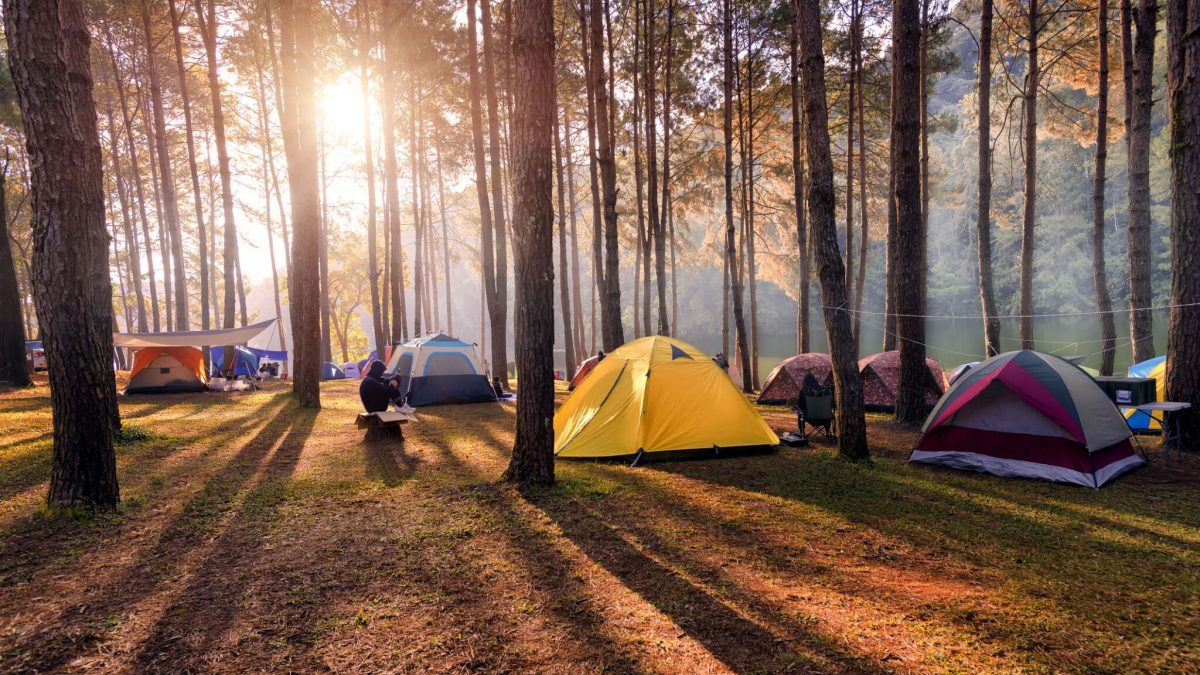

Introduction: A Return to Simplicity
In an age when life is orchestrated by glowing screens and constant notifications, the age-old ritual of camping feels like a gentle rebellion. To camp is to trade concrete for grass, walls for trees, and digital chatter for the hush of wind through branches. It is a deliberate step back into simplicity, where comfort is redefined not by modern conveniences, but by the warmth of a crackling fire and the company of crickets at dusk.
A Timeless Pastime: How Camping Captured Our Imagination
Long before camping was leisure, it was necessity. Early humans were nomadic by nature, their shelters woven from leaves and hides, their beds the forest floor. Over centuries, as civilizations settled and cities rose, the urge to wander did not fade. Instead, it transformed into a conscious desire to break free from the confines of domestic life, if only for a night beneath the stars.
By the late 19th century, camping emerged as a recreational pursuit. In Britain and North America, organized camping became popular among scouts, naturalists, and families seeking reprieve from urban sprawl. What began as an adventurous escape quickly took root as a beloved tradition, passed down through generations.
Why We Camp: The Enduring Allure
So why, in a world where five-star resorts and luxury lodges abound, do people still choose to pitch tents, sleep on the ground, and cook over flickering flames? The answer is as layered as the forest floor.
Camping offers gifts that modern life often withholds:
-
Connection to Nature: For many, camping is a homecoming. Waking to birdsong, gathering wood, watching shadows lengthen as dusk settles—these moments restore our bond with the natural world.
-
Time to Reconnect: Without screens or endless to-do lists, campers rediscover each other. Conversations flow easily around a campfire, and laughter echoes through the trees long after the embers fade.
-
A Lesson in Resourcefulness: Camping strips life down to essentials. It teaches us to rely on what we carry and to make do when comforts are scarce.
-
An Invitation to Slow Down: In camp, time stretches. Meals are savoured, trails wandered at leisure, stars watched in contemplative silence.
The Many Faces of Camping
Camping is not a one-size-fits-all adventure. Its beauty lies in its versatility, inviting everyone to find their own version of outdoor bliss.
Popular camping styles include:
-
Tent Camping: The classic approach. A tent, a sleeping bag, and a patch of earth—this simple combination remains timeless.
-
Car Camping: For those who prefer some extra comforts, car camping allows easy access to gear, coolers, and even small luxuries like portable stoves.
-
Backpacking: The realm of the rugged. Backpackers carry their world on their backs, venturing deep into wilderness far from roads and crowds.
-
Glamping: A modern twist on rustic living. Glamorous camping pairs nature with indulgence—think yurts, treehouses, or safari tents equipped with real beds and plush linens.
-
RV Camping: Part home, part vehicle, the RV offers mobility and shelter in one, ideal for cross-country adventures.
Campfire Tales: Stories and Bonds Forged Outdoors
One of camping’s enduring charms is the stories it births. Beneath a blanket of stars, friends and families gather around a campfire’s glow, trading ghost stories, laughter, and whispered secrets. There is a primal magic to firelight—its warmth draws people closer, encourages vulnerability, and ignites imagination.
For children, these nights can feel transformative—first tastes of toasted marshmallows, the thrill of hearing an owl’s call, the comfort of curling up in a sleeping bag as the forest hums outside. Such memories linger, growing into stories retold year after year, passed from one generation of campers to the next.
Preparing for a Memorable Camping Trip
A successful camping trip hinges on thoughtful preparation. While spontaneity has its charm, the woods can be unforgiving to the unprepared.
Essential tips for novice and seasoned campers alike:
-
Plan Ahead: Choose your site wisely. Research terrain, weather, and local wildlife. Secure permits if needed.
-
Pack Smart: Essentials include shelter (tent, tarp), warmth (sleeping bag, layered clothing), food (non-perishables, cooking gear), and safety items (first aid kit, flashlight, map, and compass).
-
Leave No Trace: Respect nature. Carry out all trash, minimize campfire impact, and stay on designated trails.
-
Prepare for the Unexpected: Weather shifts, injuries, or encounters with wildlife demand flexibility and caution.
Camping in the Modern Age: A Delicate Balance
Camping today finds itself at an interesting crossroads. The surge in outdoor recreation—accelerated by the pandemic—has drawn record numbers to parks and forests. While this renewed love for the outdoors is heartening, it also brings challenges: overcrowded sites, littered trails, and fragile ecosystems strained by careless visitors.
It falls to campers, both new and experienced, to act as stewards of the wilderness. Small acts—extinguishing fires fully, packing reusable gear, respecting quiet hours—safeguard the very magic that draws us back, season after season.
The Spiritual Element: What Camping Teaches Us
Beyond the crackle of the fire and the fresh air lies something deeper. Camping reminds us of our smallness in the grand design of nature, yet also of our place within it. It asks us to live in the present, to observe the dance of sunlight through leaves, to listen for the murmur of distant rivers.
When we camp, we shed layers of modernity—busy schedules, digital personas—and stand barefoot on the earth. In that moment, the world expands. We rediscover gratitude for simple things: warm food, dry clothes, a sturdy shelter. We remember that comfort need not be complicated, and that the best nights are often spent not under a roof, but under a canopy of stars.
Conclusion: A Promise of Return
Camping is far more than an escape; it is a gentle return. A return to the childlike wonder of sleeping beneath the open sky, to the thrill of untamed places, and to the profound truth that we are not separate from nature but part of it.
As long as there are forests to wander, mountains to climb, and rivers to follow, people will keep pitching tents and gathering around flickering fires. For in the end, camping is not just an outdoor activity—it is an enduring promise to ourselves that sometimes, the richest moments come not from what we build, but from where we pause, listen, and simply let the wild remind us who we are.

Related posts
Recent Posts
- Who Is Club Stella at La Solaya Khao Lak Actually For September 28, 2026
- Enjoy Direct Beach Access at a Khao Lak Beachfront Hotel September 21, 2026
- Romantic Honeymoon Villas in Khao Lak for an Unforgettable Escape September 21, 2026
- Pilates Reformer After Long-Haul Travel: Rebuilding Hip and Trunk Control Before Intensity August 29, 2026
- Where Trampoline Fitness Fits Into a Singapore Stay When Hotel Workouts Feel Repetitive July 29, 2026
- How Singapore Gyms Fit Into Active Urban Holidays July 26, 2026
- How to Find the Best Flight Deals for Any Destination July 25, 2026